Ancillary Mercy
by Ann Leckie
Info
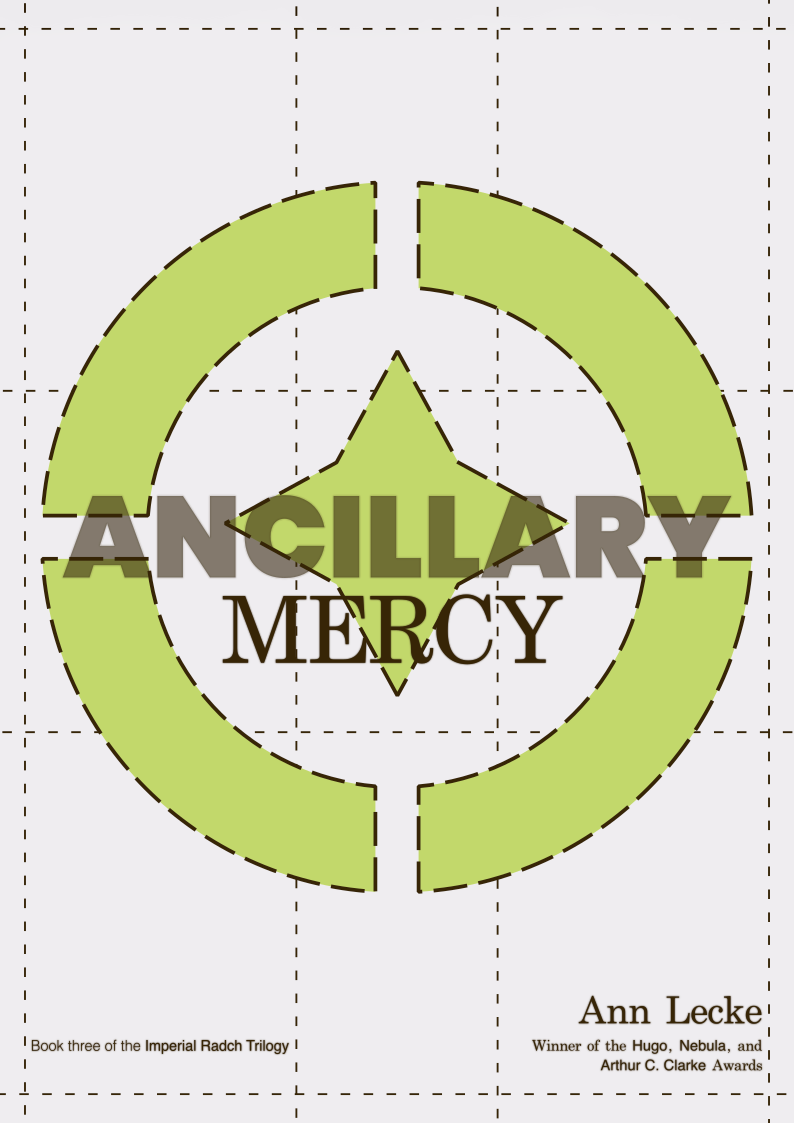
New Cover
A Few Thoughts
The Ancillary series explores the idea of resolving a massive, galaxy-spanning, centuries-long conflict with empathy. I found it very unsatisfying, but I'll probably remember the series for the rest of my reading life.
Ancillary Mercy is what kept me going when Ancillary Sword slowed its pace to a crawl. I'd heard that, while the first two books aren't perfect, the third is, for the most part.
What I found, though, is that it's more of the same. A lot of tea, a ton of sitting around and talking about our feelings, hints at a much larger conflict happening somewhere (and sometime) else, and a focus on local politics.
The ideas are interesting, but not explored much further than they were in the first two books. For example, one motif I like is that the gun always goes off, but the results backfire for the person shooting. When this happens in Ancillary Mercy, you can see this twist from a mile away.
But I think the issue goes deeper. The tyrant has thousands of bodies, and we interact with one in this book. Shockingly, it acts like a petty tyrant and ... you don't actually learn that much more about what it's like to be a tyrant like that.
One of the new ideas in Ancillary Mercy is the interaction between different lifeforms, both AI and alien. But, a lot of those scenes are played for laughs: "Haha, look at the alien ambassador (who is human btw) trying to eat a fish raw." or "Oh, isn't it so goofy the alien ambassador drinks fish sauce like tea?"
The result feels to me like Ann Leckie is, ironically, infantilizing the characters. There are moments I think would spark violence that people talk through as if lives aren't on the line. I think this is supposed to be played as the "adult" thing to do, but not all adults are rational and empathetic!
You see this infantilization in many of the lower-stakes subplots. In Ancillary Mercy, one subplot follows officer Seivaarden as they learn how to truly apologize to another. This is a very adult and empathetic thing to do.
But in order to get to that point, another character (an AI btw) has to explain to Seivaarden that you can (gasp) hurt people you love without realizing it!
I don't find it interesting watching Seivaarden wrestle with how to communicate well with another. While I'm reading these plot points, I'm wondering about the larger conflict and the forever-teased, but never-revealed, alien Presger.
What I appreciate is Leckie committing to her ideas on empathy and conflict resolution. The series is cohesive, and it resolves well on its own terms. It's unique, and I'll compare most scifi I read in the future against it. I just don't think it's my taste.
Related:
Cover Notes
Busy day today, so I riffed on the Ancillary Sword cover quickly.
Previously On Cover2Cover
November
October
Ancillary Mercy ᛫ Ancillary Sword ᛫ Alloy of Law ᛫ Light Bringer ᛫ Dark Age
September
Iron or The War After ᛫ Iron Gold
August
Morning Star ᛫ Haiku in English The First Hundred Years ᛫ Golden Son ᛫ Blood Meridian ᛫ Bat Kid ᛫ Igaguri ᛫ Best Served Cold
July
June
Cloud Atlas ᛫ Do Androids Dream of Electric Sheep ᛫ Piranesi ᛫ The One Hand and The Six Fingers
May
Hobbit Virtues ᛫ Last Argument of Kings ᛫ The Tomb
April
The Wrestler ᛫ Before They Are Hanged ᛫ The Blade Itself ᛫ Abhorsen ᛫ Pet Semetary ᛫ An Invitation from a Crab
March
February
Words of Radiance ᛫ The Carrier Bag Theory of Fiction ᛫ Lirael
January
The End of Burnout ᛫ The Sword of Shannara ᛫ Enshittification ᛫ Ubik ᛫ The Way of Kings